
The best Indonesian fruits to try include mangosteen, salak (snake fruit), rambutan, durian, jackfruit, mango, pomelo, starfruit, sapodilla, soursop, passion fruit and langsat. Indonesia's tropical climate means fruit is abundant all year, and many favourites peak during the rainy season from around November to March. In Bali, you will find them piled high at morning markets, sold from roadside stalls and blended into juices, desserts and cocktails.
Why Indonesian fruits are so varied
Indonesia stretches across thousands of islands and several climate zones, from humid lowlands to cool volcanic highlands. That variety produces an extraordinary range of Indonesian fruits, many of them rarely seen outside Southeast Asia.
Many varieties are deeply local. Bali, for example, is known for salak gula pasir, a small, sweet snake fruit grown around Sibetan in Karangasem, in the island's east.
12 Indonesian fruits to try
1. Mangosteen (manggis)
Often called the queen of fruits, mangosteen has a thick purple rind and soft white segments inside. The flavour is sweet, tangy and floral. Press the rind gently with your thumbs to open it.
2. Salak (snake fruit)
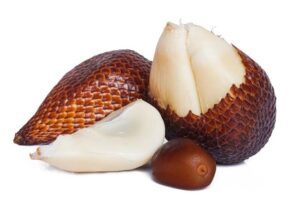
Salak gets its English name from its brown, scaly skin. Inside are crunchy, glossy segments that taste sweet, sour and slightly astringent, a little like pineapple and apple combined.
3. Rambutan
The name rambutan comes from rambut, the Indonesian word for hair. Peel back the red, spiky skin to find juicy, translucent flesh similar to lychee.
4. Durian
The famous king of fruits. Durian has a spiky shell and a powerful smell, but its custard-like flesh is rich, sweet and savoury at once. Many hotels ban it indoors, so it is best eaten at a market stall.
5. Jackfruit (nangka)
Jackfruit is the largest tree fruit in the world. Ripe, its yellow pods taste like a mix of banana and pineapple. Young and green, it is cooked as a savoury vegetable in dishes such as gudeg.
6. Mango (mangga)
Indonesia grows many mango varieties, from fragrant harumanis to tart green mangoes eaten with salt, chilli and sugar. Green mango is also a favourite in salads and rujak.
7. Pomelo (jeruk bali)
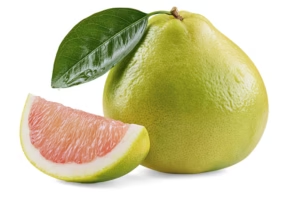
The pomelo is a giant citrus with thick skin and sweet, mildly bitter segments. Its Indonesian name, jeruk bali, literally means Bali orange.
8. Starfruit (belimbing)
Crisp and juicy, starfruit makes a perfect star shape when sliced. Its sour cousin, belimbing wuluh, is used in cooking to add sharpness to sambal and fish dishes.
9. Sapodilla (sawo)
Sawo has a brown, potato-like skin and soft flesh that tastes of brown sugar and caramel.
10. Soursop (sirsak)
A large green fruit with soft spikes and creamy white flesh that is tangy and sweet. It is very popular as juice.
11. Passion fruit (markisa)
Indonesian passion fruit is often the sweet, orange-skinned variety. Scoop out the seeds and pulp, or try it in fresh juice.
12. Langsat and duku
Small, pale yellow fruits that grow in clusters. Peel the thin skin to find sweet and tangy translucent segments.
When are Indonesian fruits in season?
Most tropical fruit is available somewhere in Indonesia all year round, but many favourites have a clear peak. Durian, mangosteen, rambutan and many mangoes are most abundant during the rainy season, roughly from November to March. Salak, bananas, papaya and pineapple are easy to find in any month.
If you visit Bali during the rainy season, the markets are at their most colourful.
How to buy and eat fruit in Bali
- Visit a morning market. Ubud's local markets are busiest early in the day, when the fruit is freshest.
- Ask to taste. Sellers know their Indonesian fruits best and are often happy to open a piece so you can try before you buy.
- Buy by the kilo. Most fruit is sold by weight, and prices are lower in season.
- Try it in drinks and desserts. Fresh juices, es campur and fruit sorbets are a great introduction. Read our guide to Indonesian desserts for more ideas.
- Wash and peel. Choose fruit with thick skins you can peel yourself if you have a sensitive stomach.
Tropical fruit on the menu at Spice by Blake
At Spice by Blake on Jalan Monkey Forest in central Ubud, tropical fruit adds freshness, sweetness and acidity to modern Indonesian cooking. On the current menu you will find:
- Cured Kingfish with pomelo and rujak sauce
- Charred Pork Jowl Rujak with bangkuang, green mango, tamarind and kemangi
- Coral Trout, Starfruit and Tomato cooked in banana leaves with pepes spices
- Spice Salad with tempe, mango, avocado and sweet chilli dressing
- Pineapple Cake with smoked cardamom ice cream
- Seasonal Sorbets of the Day, made with fresh tropical fruit
The bar also uses Indonesian herbs, spices and tropical fruits in its cocktails.
[Optional teaser: limited-edition fruit season menu, January 2027]
For a full tasting, order Feed Me: eight dishes across four courses, chosen by the kitchen and shared by the whole table, for IDR 388,000++ per person. Explore more Balinese food, or discover the fruit-and-chilli combination behind sambal matah and Indonesian street food.
Frequently asked questions
What are the most popular Indonesian fruits? Mangosteen, salak, rambutan, durian, mango and jackfruit are among the most popular Indonesian fruits.
What is snake fruit? Snake fruit, or salak, is a fruit with brown, scaly skin and crunchy, sweet-sour flesh. Bali is known for a sweet variety called salak gula pasir.
When is fruit season in Bali? Many tropical fruits, including durian, mangosteen and rambutan, peak during the rainy season, roughly from November to March.
Can I bring Indonesian fruits home? Most countries restrict bringing fresh fruit across borders because of pests and diseases. Check your home country's customs rules before you pack any.
Where can I taste tropical fruit dishes in Ubud? Spice by Blake on Jalan Monkey Forest uses tropical fruit throughout its menu, from cured kingfish with pomelo to coral trout with starfruit and seasonal fruit sorbets.
Taste the tropics in Ubud
Indonesian fruits are one of the simplest pleasures of a trip to Bali. Start at a morning market, then taste them in modern Indonesian dishes at Spice by Blake, Jalan Monkey Forest, Ubud.
